

 Make An Appointment
 Order Contacts

First-Time Contact Lenses: What Happens at the Fitting?
Blog:First-Time Contact Lenses: What Happens at the Fitting?
First-Time Contact Lenses: What Happens at the Fitting?
Trying contact lenses for the first time can feel exciting and a little intimidating. Unlike glasses, contacts sit directly on the surface of your eyes, so getting the right prescription is only one part of the process. Your lenses also need to fit appropriately, provide clear vision, and feel comfortable during normal daily wear.
At Texas State Optical Vidor, we provide contact lens exams and fittings for patients throughout Vidor, TX. Knowing what happens during your first fitting can make the experience easier and help you begin contact lens wear with safe habits from the start.
Your Contact Lens Fitting Starts With an Eye Exam
Before choosing contact lenses, we evaluate your vision and eye health. Your glasses prescription provides useful information, but a contact lens prescription includes additional details because the lens sits directly on the eye.
We also discuss your daily routine, previous eye concerns, allergies, dryness, and what you hope to get from contact lenses. Someone who wants contacts for sports may have different priorities than a patient who plans to wear them throughout a full workday.
Your prescription may also influence which lens designs are considered. Texas State Optical Vidor offers options for patients with nearsightedness, farsightedness, astigmatism, and multifocal vision needs.
How Do We Determine the Right Contact Lens?
Contact lenses come in different materials, sizes, and designs. During the fitting, we select a lens based on your prescription and measurements of your eyes.
A trial lens may then be placed on the eye so we can evaluate how it sits and moves when you blink. We also check how clearly you see through the lens.
During your first fitting, we may evaluate:
Visual clarity with the trial lenses
How the lenses center on your eyes
Lens movement during blinking
Overall comfort after the lenses have settled
The health of the cornea and surrounding eye surface
Whether another lens design or prescription adjustment is needed
The first trial lens is not always the final choice. Sometimes a different material, size, or prescription provides a better result.
Will You Learn How to Insert and Remove Contacts?
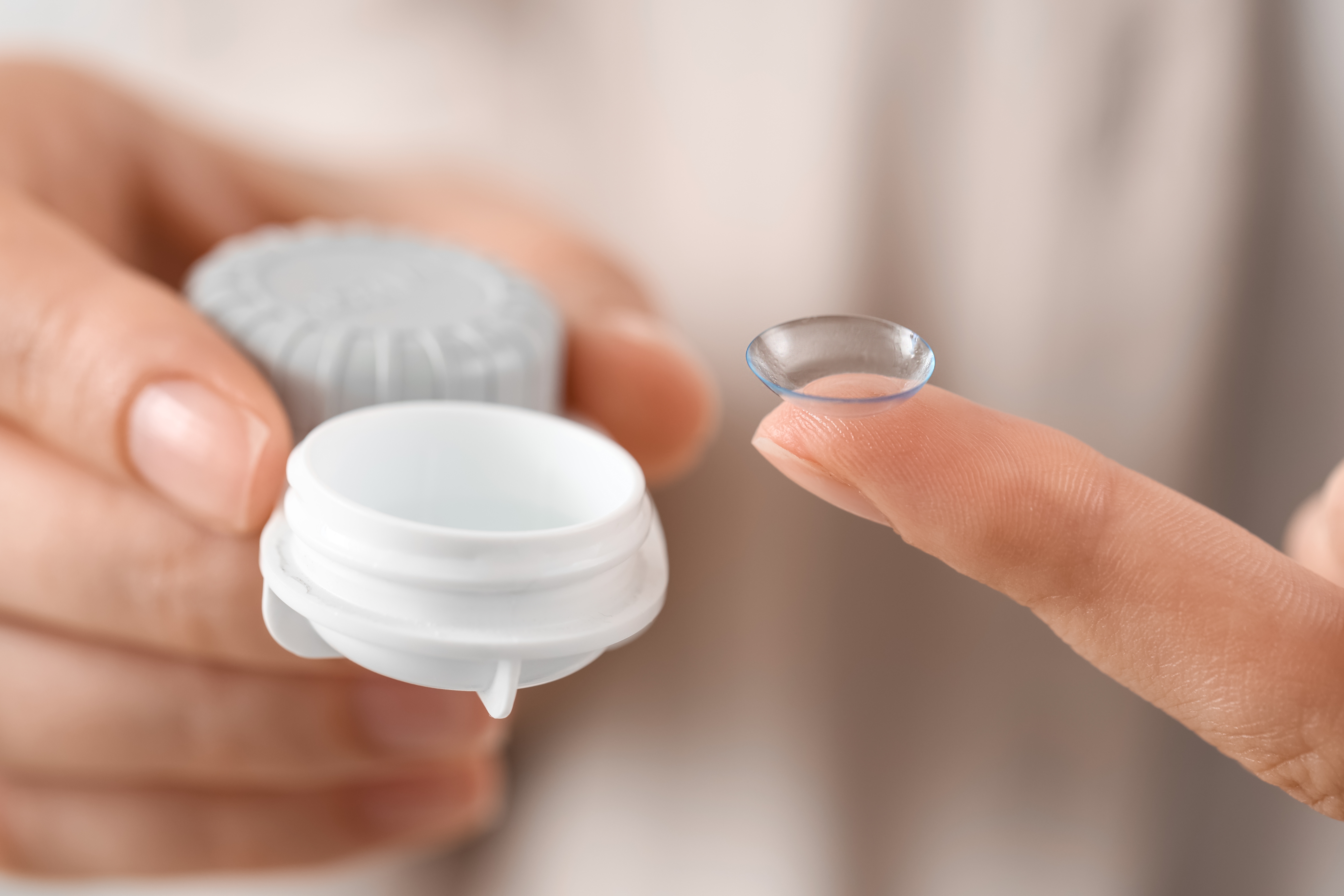
Yes. Handling the lenses confidently is an important part of first-time contact lens wear.
We can show you how to insert and remove the lenses safely and give you an opportunity to practice. It may take several attempts at first, which is completely normal.
Always wash and thoroughly dry your hands before touching your contacts. Avoid using saliva or tap water on the lenses. Contact lenses should also be removed before swimming or showering because water exposure can increase the risk of serious eye infections.
What Should New Contact Lens Wearers Expect at Home?
Your eyes may need a short adjustment period as you become accustomed to wearing contacts. Follow the wearing schedule and replacement instructions provided for your specific lenses rather than extending wear because they still feel comfortable.
Do not sleep in daytime contact lenses unless they have specifically been prescribed for overnight wear.
If a lens causes significant burning, pain, redness, discharge, strong light sensitivity, or an unexpected change in vision, remove it. Do not continue wearing an uncomfortable lens just to complete your planned wear time.
Why Is a Contact Lens Follow-Up Important?
A follow-up allows us to see how the lenses perform during your regular routine rather than only during the initial fitting.
We can check your vision, comfort, lens position, and eye health and make adjustments if necessary. Tell us if your lenses become dry later in the day, your vision fluctuates, or one eye consistently feels different from the other.
For patients with irregular corneas or more complex visual needs, specialty contact lenses may also be considered when conventional lenses do not provide an appropriate fit.
If you are ready to try contact lenses for the first time, contact Texas State Optical Vidor at 868 N. Main Street, Vidor, TX 77662 by calling (409) 600-1200 to schedule a contact lens exam and fitting.
Quick Links
Helpful Articles
article_category: surgical procedures
article_category: restorative
article_category: dogs
article_category: cats
article_category: large animal
article_category: exotic
article_category: health
article_category: faqs
article_category: products
article_category: contact lenses
article_category: technology
article_category: general
article_category: ocular disease management
article_category: psychiatry
article_category: eye surgery co-management
article_category: eyeglasses
article_category: eye health
article_category: services
article_category: aesthetics
article_category: preventative
article_category: conditions
article_category: cosmetic
[]
Flowbite is an open-source library of interactive components built on top of Tailwind CSS including buttons, dropdowns, modals, navbars, and more.
Check out this guide to learn how to get started and start developing websites even faster with components on top of Tailwind CSS.

All Eyecare Services
We offer a wide variety of eye care services to the Vidor community. Contact us with any questions about our services.

Keep In Touch
For non-urgent questions or to learn more about our services, contact us today!

Contact Information
Office Hours
- Monday 8:30am - 6:00pm
- Tuesday 8:30am - 6:00pm
- Wednesday 9:00am - 6:00pm
- Thursday 8:30am - 6:00pm
- Friday 8:30am - 6:00pm
- Saturday Closed
- Sunday Closed
- Monday
- Tuesday
- Wednesday
- Thursday
- Friday
- Saturday
- Sunday
- Monday
- Tuesday
- Wednesday
- Thursday
- Friday
- Saturday
- Sunday
© 2026 Texas State Optical. All rights Reserved - Accessibility Statement - Privacy Policy - Sitemap
Managed and Designed by 