

 Make An Appointment
 Order Contacts

Blinded by the Brights: How General Eye Exams Fix Night Driving Glare on Southeast Texas Roads
Blog:Blinded by the Brights: How General Eye Exams Fix Night Driving Glare on Southeast Texas Roads
Blinded by the Brights: How General Eye Exams Fix Night Driving Glare on Southeast Texas Roads
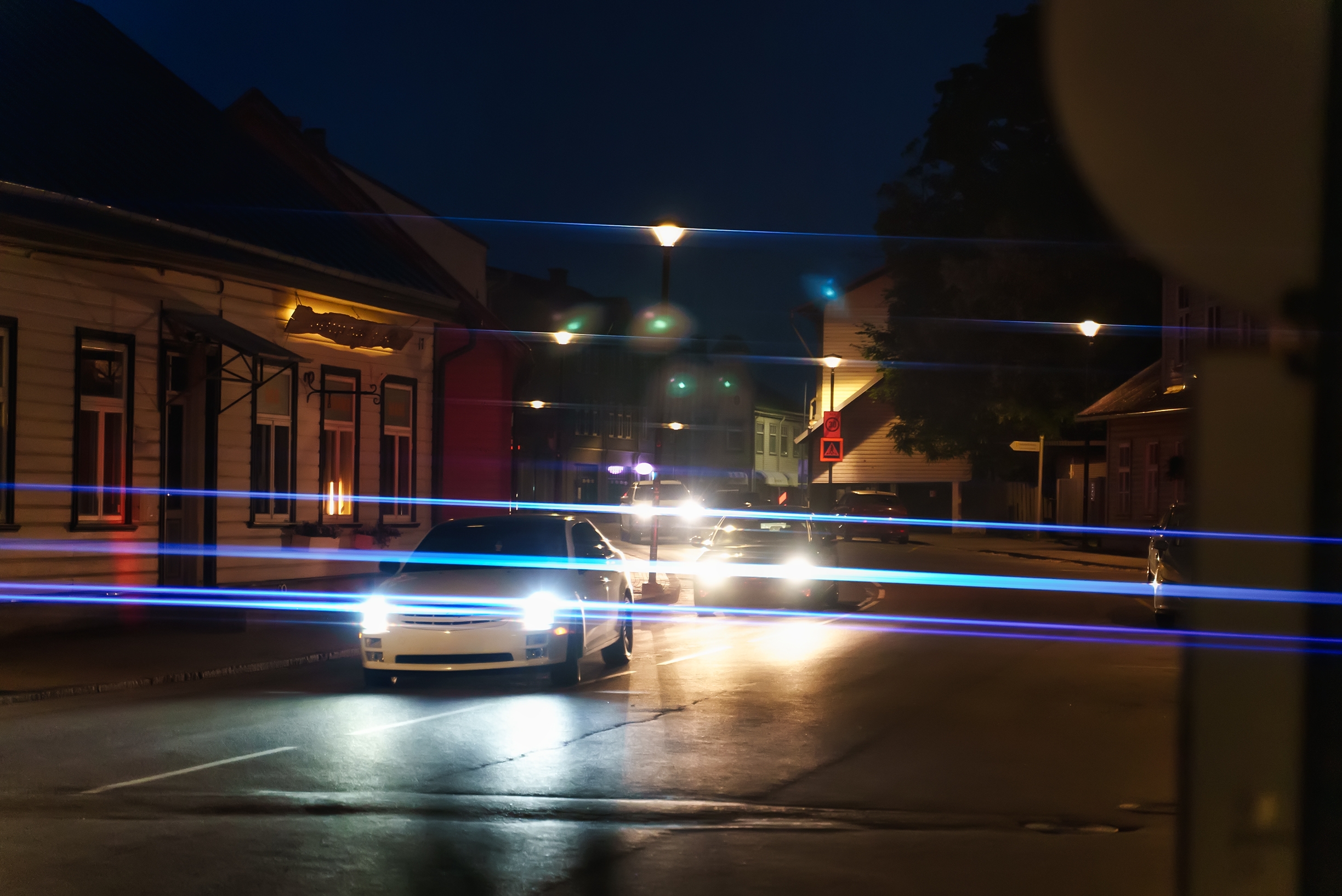
Night driving in Southeast Texas can be stressful when headlights, streetlights, wet pavement, and reflective signs seem too bright. If you find yourself squinting on evening drives through Vidor, Beaumont, or along nearby highways, the issue may not be the road alone. Night driving glare can be a sign that your eyes need a closer look.
At TSO Vidor, general eye exams help patients understand why night driving feels uncomfortable and what can be done to improve clarity, comfort, and confidence behind the wheel.
Why Night Driving Glare Happens
Glare happens when bright light scatters as it enters the eye. At night, the contrast between dark roads and intense headlights can make glare feel stronger. Rain, fog, humidity, and wet pavement can also reflect light and make Southeast Texas roads harder to navigate.
For some people, glare is only an occasional annoyance. For others, it may point to an outdated prescription, dry eye, cataracts, astigmatism, contact lens issues, or another eye health concern.
Why 20/20 Vision May Not Be Enough
You may see well during the day and still struggle at night. Daytime vision does not always reveal how your eyes respond to low light, glare, and contrast changes. A basic letter chart cannot fully explain why headlights feel blinding or why road signs seem less sharp after dark.
A general eye exam gives your optometrist a more complete view of your vision and eye health. This can help identify whether your night driving symptoms are related to refraction, eye surface health, lens clarity, or other factors.
Common Eye Issues That Affect Night Driving
Several vision and eye health concerns can make glare worse. Astigmatism may cause lights to streak, halo, or blur. Dry eye can create fluctuating vision that worsens during long drives or air-conditioned car rides. Cataracts can scatter light and make headlights feel more intense. An older glasses prescription may also reduce contrast and sharpness.
For Vidor drivers, these issues can become especially noticeable on darker rural roads, busy intersections, or highways with oncoming traffic.
Signs You Should Schedule An Eye Exam
Night driving discomfort should not be ignored if it keeps happening. Schedule a general eye exam if you notice:
- Headlights causing halos, starbursts, or streaks
- Trouble seeing lane markings at night
- Squinting during evening or early morning drives
- Blurry vision that worsens after dark
- Eye fatigue after driving
- Glare from wet roads or reflective signs
- Difficulty judging distance in low light
- Avoiding night driving because it feels unsafe
These symptoms may be related to prescription changes, dry eye, cataracts, astigmatism, or another condition that needs evaluation.
How General Eye Exams Help
During a comprehensive eye exam, your optometrist checks more than whether you need new glasses. Your eye doctor may evaluate your prescription, eye pressure, cornea, lens, retina, tear film, and overall eye health. These findings help determine why night glare is happening and whether treatment or updated eyewear may help.
If your prescription has changed, new lenses may improve sharpness and contrast. If dry eye is contributing to fluctuating vision, your doctor may recommend targeted dry eye care. If cataracts or another eye condition is suspected, your optometrist can explain the next steps.
The Role Of Lens Technology
The right lenses can make a major difference for night driving comfort. Anti-reflective coatings can reduce reflections on the front and back surfaces of your lenses. Updated prescription lenses can sharpen vision. Properly fitted frames help keep lenses positioned correctly so your eyes look through the clearest part of the lens.
Cheap or scratched lenses can make glare worse. If your glasses are old, damaged, or missing anti-reflective protection, your eyewear may be adding to the problem.
Contact Lenses And Night Glare
Contact lens wearers may also experience glare if lenses are dry, old, poorly fitting, or not fully correcting astigmatism. Long wear time, air conditioning, allergies, and screen use can make eyes drier by the end of the day, which can affect night driving vision.
A contact lens evaluation can help determine whether a different lens material, design, or replacement schedule may improve comfort and clarity.
Drive With More Confidence In Vidor
Night driving glare is not something you have to simply tolerate. A general eye exam can help identify the cause of glare, update your prescription, check eye health, and guide you toward lens options that support safer, more comfortable vision on Southeast Texas roads.
To schedule a general eye exam, contact TSO Vidor in Vidor, TX at 868 N. Main Street, Vidor, TX 77662, or call (409) 600-1200.
Quick Links
Helpful Articles
article_category: faqs
article_category: products
article_category: contact lenses
article_category: technology
article_category: general
article_category: ocular disease management
article_category: psychiatry
article_category: eye surgery co-management
article_category: eyeglasses
article_category: eye health
article_category: surgical procedures
article_category: restorative
article_category: dogs
article_category: cats
article_category: large animal
article_category: exotic
article_category: health
article_category: services
article_category: aesthetics
article_category: preventative
article_category: conditions
article_category: cosmetic
[]
article_category: products
article_category: contact lenses
article_category: technology
article_category: general
article_category: ocular disease management
article_category: psychiatry
article_category: eye surgery co-management
article_category: eyeglasses
article_category: eye health
article_category: surgical procedures
article_category: restorative
article_category: dogs
article_category: cats
article_category: large animal
article_category: exotic
article_category: health
article_category: services
article_category: aesthetics
article_category: preventative
article_category: conditions
article_category: cosmetic
[]
Flowbite is an open-source library of interactive components built on top of Tailwind CSS including buttons, dropdowns, modals, navbars, and more.
Check out this guide to learn how to get started and start developing websites even faster with components on top of Tailwind CSS.

All Eyecare Services
We offer a wide variety of eye care services to the Vidor community. Contact us with any questions about our services.

Keep In Touch
For non-urgent questions or to learn more about our services, contact us today!

Contact Information
Office Hours
- Monday 8:30am - 6:00pm
- Tuesday 8:30am - 6:00pm
- Wednesday 9:00am - 6:00pm
- Thursday 8:30am - 6:00pm
- Friday 8:30am - 6:00pm
- Saturday Closed
- Sunday Closed
- Monday
- Tuesday
- Wednesday
- Thursday
- Friday
- Saturday
- Sunday
- Monday
- Tuesday
- Wednesday
- Thursday
- Friday
- Saturday
- Sunday
© 2026 Texas State Optical. All rights Reserved - Accessibility Statement - Privacy Policy - Sitemap
Managed and Designed by 